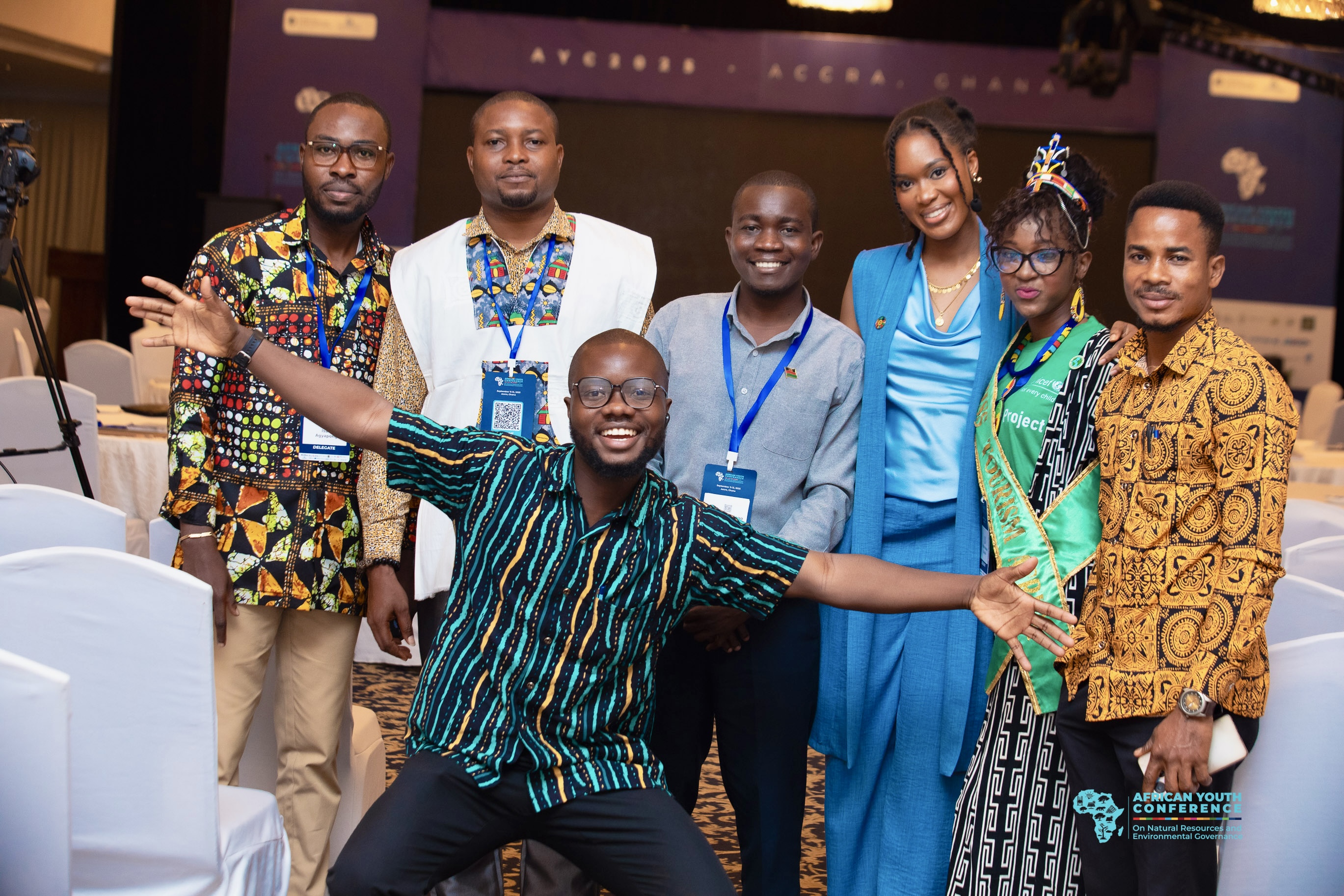
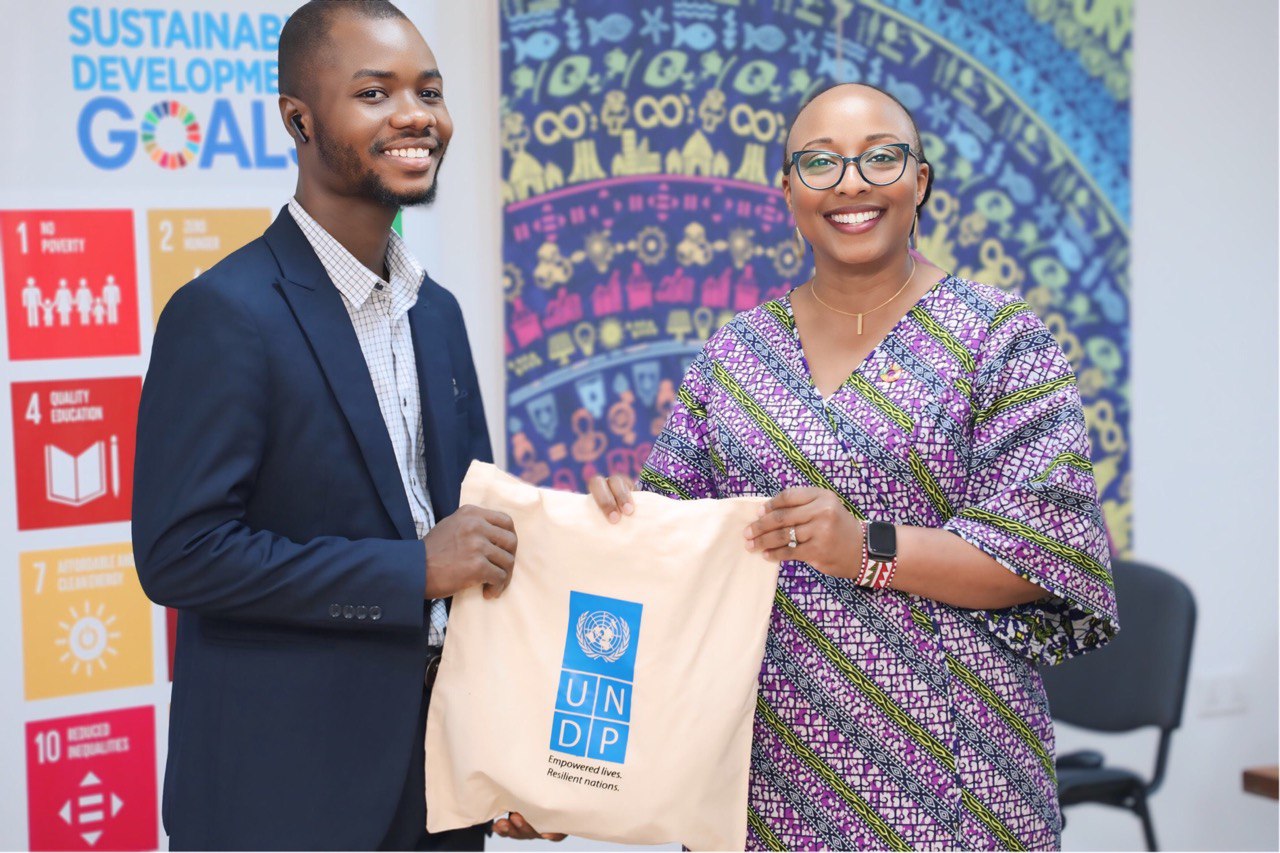
In 2023 I joined the UNDP Ghana Youth Sounding Board a policy advisory role meant to bring young people's perspective directly into UNDP Ghana's programming. A year later I represented UNDP Ghana as a delegate at the YouthConnekt Africa Summit in Kigali, Rwanda. Then came the UN Sustainable Development Solutions Network (SDSN) Local Pathways Fellowship (2024–2025), which trains young leaders to localise the Sustainable Development Goals in their own communities. Three different rooms, three different institutions, one question I kept quietly asking myself in all of them: is this actually changing a decision, or am I here to be photographed?
I don't say that cynically. Every one of those experiences taught me something real. But they also taught me, by contrast, what makes the difference between a youth advisory role that shapes outcomes and one that simply exists for the optics of "youth voice."
The Charter says one thing. The room often does another.
The African Union's African Youth Charter, adopted in 2006, is explicit: it obligates member states to ensure young people's effective participation in decisions that affect their lives, at every level of governance.[1] It's a strong legal foundation more ambitious, honestly, than what most advisory structures I've sat in actually deliver.
The gap I've seen repeatedly isn't a lack of goodwill. It's structural: youth boards are frequently consultative rather than decision-making. We're asked for input; the input is documented; a decision is then made elsewhere, by people who were never required to explain why our input did or didn't shape it. That structure can produce excellent workshops and forgettable outcomes.
2006
The year the African Youth Charter was adopted by the African Union, legally obligating member states to ensure youth participation in governance
Source: African Union
2023–25
My term on the UNDP Ghana Youth Sounding Board, alongside the UN SDSN Local Pathways Fellowship (2024–25)
Source: SWK Ghana / personal record
What YouthConnekt Africa in Kigali got right
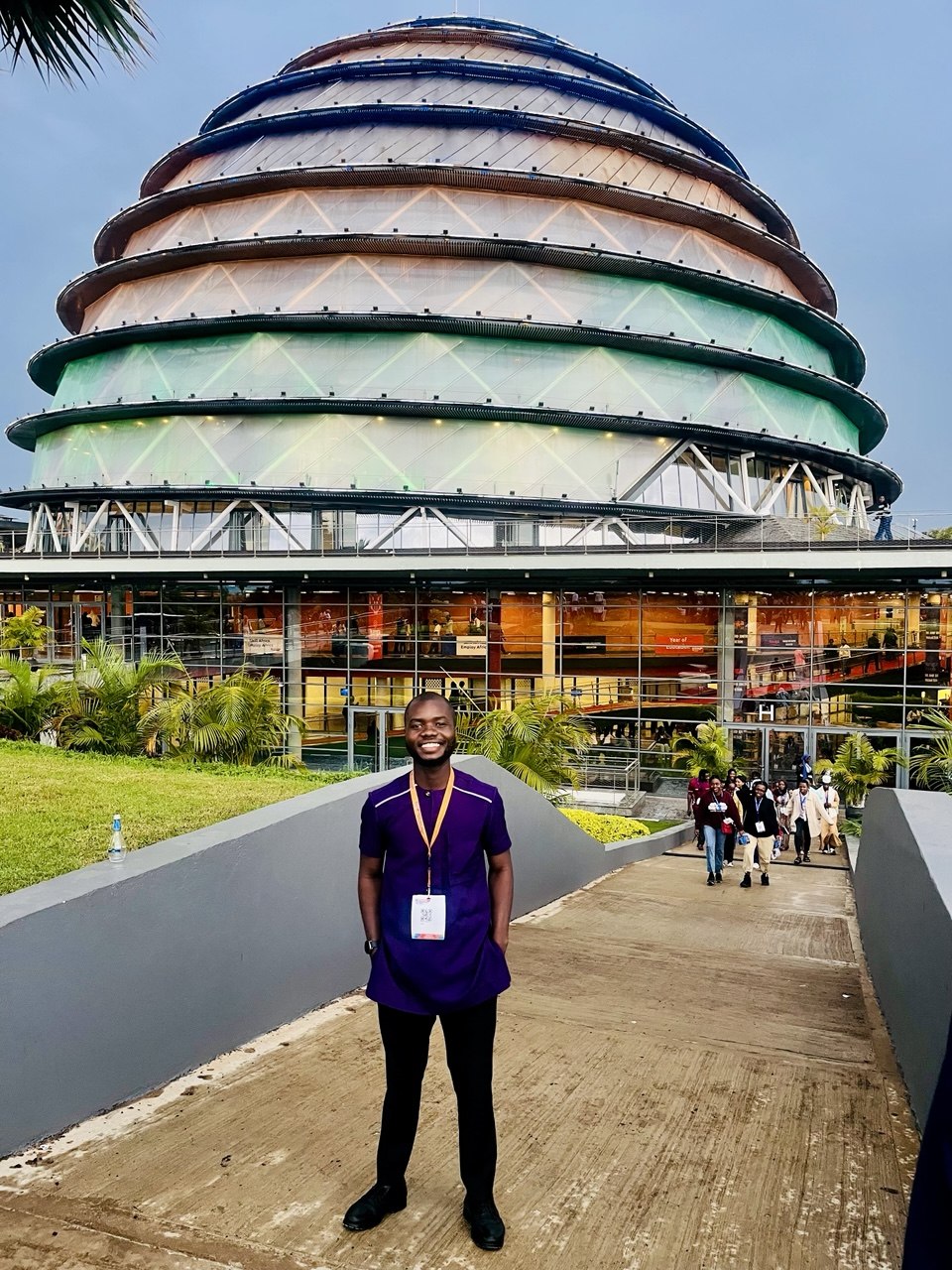
Representing UNDP Ghana at YouthConnekt Africa Summit 2024 in Kigali was different in one specific way: accountability was peer-to-peer, not just top-down. Delegates from across the continent weren't only presenting to institutions we were comparing notes directly with each other, naming which national youth policies had actually moved money and mandates, and which were paper commitments. That horizontal pressure, country delegation to country delegation, did more to sharpen my thinking about what "youth-led" should mean operationally than any single keynote did.
Representing UNDP Ghana as a delegate at the YouthConnekt Africa Summit, Kigali, Rwanda 2024.
What the Local Pathways Fellowship taught me about localisation
The UN SDSN Local Pathways Fellowship is built around a simple but underused idea: the Sustainable Development Goals are only real when they're translated into specific, local, budgeted action not repeated as a global slogan. That framing reshaped how I think about SWK Ghana's own youth programming: a "youth voice" input is only meaningful if it's tied to a specific project decision, a specific budget line, a specific timeline with someone accountable for the outcome. General consultation without that specificity produces goodwill, not change.
Youth input only changes outcomes when it's attached to a decision someone is required to act on not when it's attached to a workshop.
What would make youth advisory structures actually work
Pulling together what worked and what didn't across these three experiences, here's what I'd tell any institution genuinely trying to build youth engagement that produces outcomes, not optics:
- Give the role decision rights, not just recommendation rights tie youth board input to a specific approval, veto, or budget-allocation power on at least one real decision per term.
- Resource the role properly unpaid, purely volunteer youth advisory positions filter out exactly the young people with the least institutional access, which defeats the purpose.
- Build in multi-year continuity one-off summits generate energy that dies without a following structure to carry decisions through implementation.
- Publish what changed because of youth input a simple, public "here's what we did differently because of this feedback" builds the accountability loop that's usually missing.
- Let young people critique the institution itself the most useful feedback I've given in these roles was about the process, not the program, and it needs a safe channel to land.
At SWK Ghana, we try to build that into our own structure by putting young people in operational lead roles not just advisory ones on the Taka Kipawa App and our community programs, and through my own mentoring roles at the Emerging Young Corporate Leaders Fellowship and as an Ambassador for the GIZ/EU-funded Agribusiness e-Academy. It's easier to hold that standard for yourself once you've seen, from inside three different institutions, exactly where it tends to break.
Read about SWK Ghana's youth-led modelSee how young people lead operationally not just advisory across our environmental, agribusiness, and community programs.
My Full Story